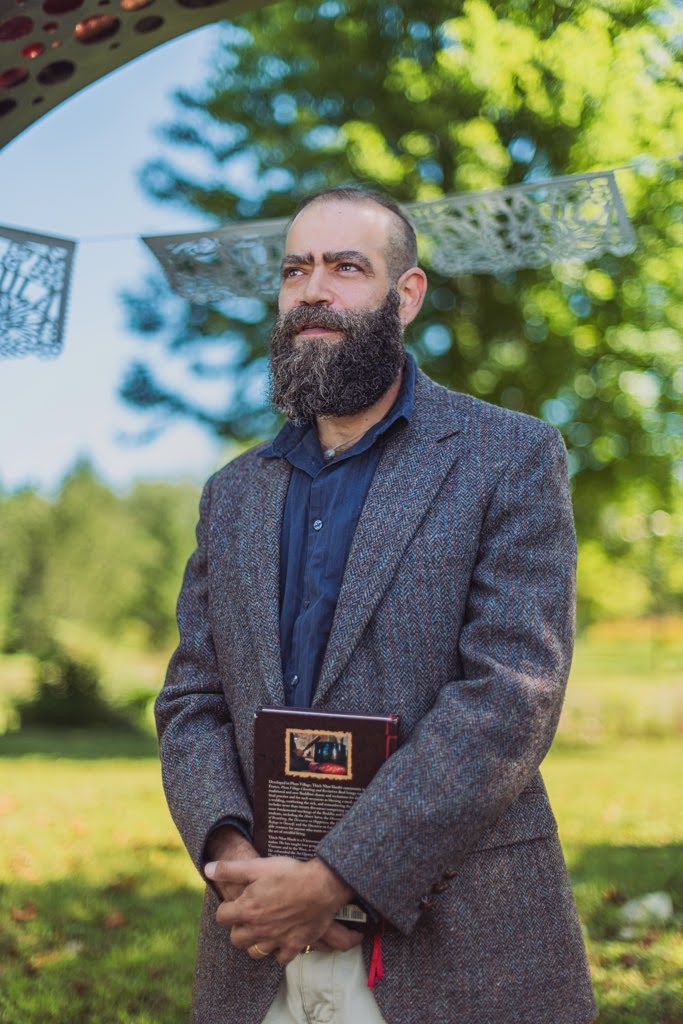
What I notice, looking back at these books, is that each one was an attempt to resolve something I had not yet resolved — which is probably not the most reassuring description of a body of work, but it is the honest one. The scholarship was never separate from the personal stakes. I wrote about Pico della Mirandola because the question he was asking — whether the great traditions are really describing the same territory in different languages — was the question I was living inside. Every book since has been a continuation of that same question, at increasing personal cost.
Celestial Intelligences
Celestial Intelligences was the beginning of what I can only describe, in retrospect, as a project I did not know I was undertaking. Through Pico's attempt to read Greek, Hebraic, Islamic, and Christian mystical currents as variant grammars of a single spiritual language, I was working out something I believed but could not yet fully defend: that the impulse to syncretize is not a modern confusion or a failure of rigor, but an ancient and serious intellectual instinct. The book established the question. Everything after has been an attempt to answer it more honestly.
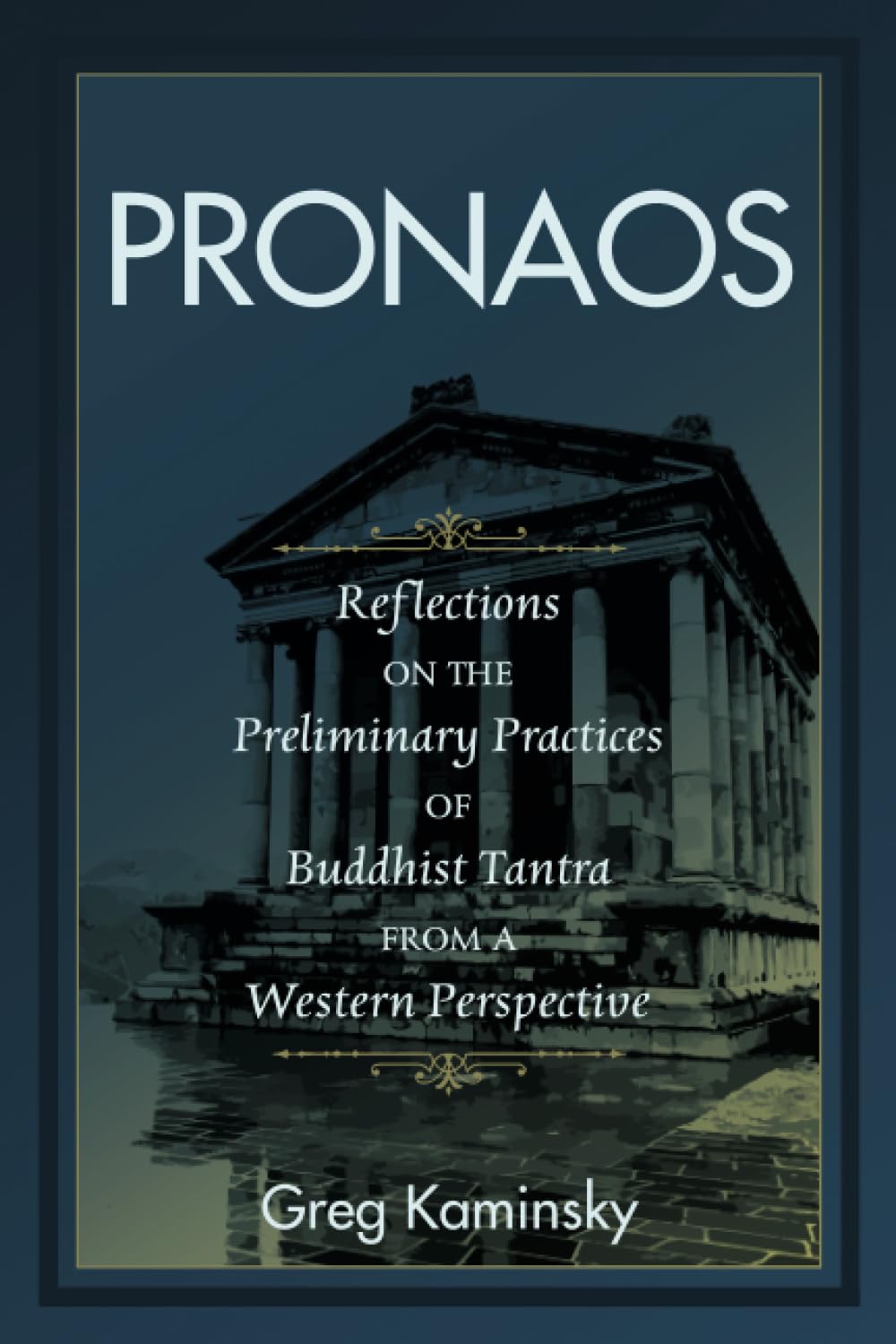
PRONAOS
PRONAOS is where the scholar had to admit he was also a practitioner. A comparative study of the Vajrayana preliminary practices alongside their structural analogues in the Western esoteric tradition, it was the first book that required me to have actually done what I was describing. Pico attempted the syncretism at the level of Renaissance philosophy. I was attempting it at the level of practice — asking not only whether the traditions describe similar terrain but whether their methods produce recognizably similar results in a single person navigating both. I believed the answer was yes. Writing the book was the attempt to demonstrate rather than merely argue that.
A Revelation of Wonderment
A Revelation of Wonderment remains the book I am most uncertain how to speak about, because its subject resists the kind of description that would make it sound like what it is. The Dzogchen Nine Spheres teaching — the understanding that reality is openness-emptiness-nothingness and brightness, that the Original Situation is already present beneath the accumulations of confusion — cannot be conveyed by analysis alone. The book was an attempt to orient rather than explain, which is a different kind of writing and a more exposed one. Whether it succeeded is not for me to say. What I can say is that it pointed toward something I have encountered from the inside, and that pointing was the only honest thing I knew how to do with the subject.
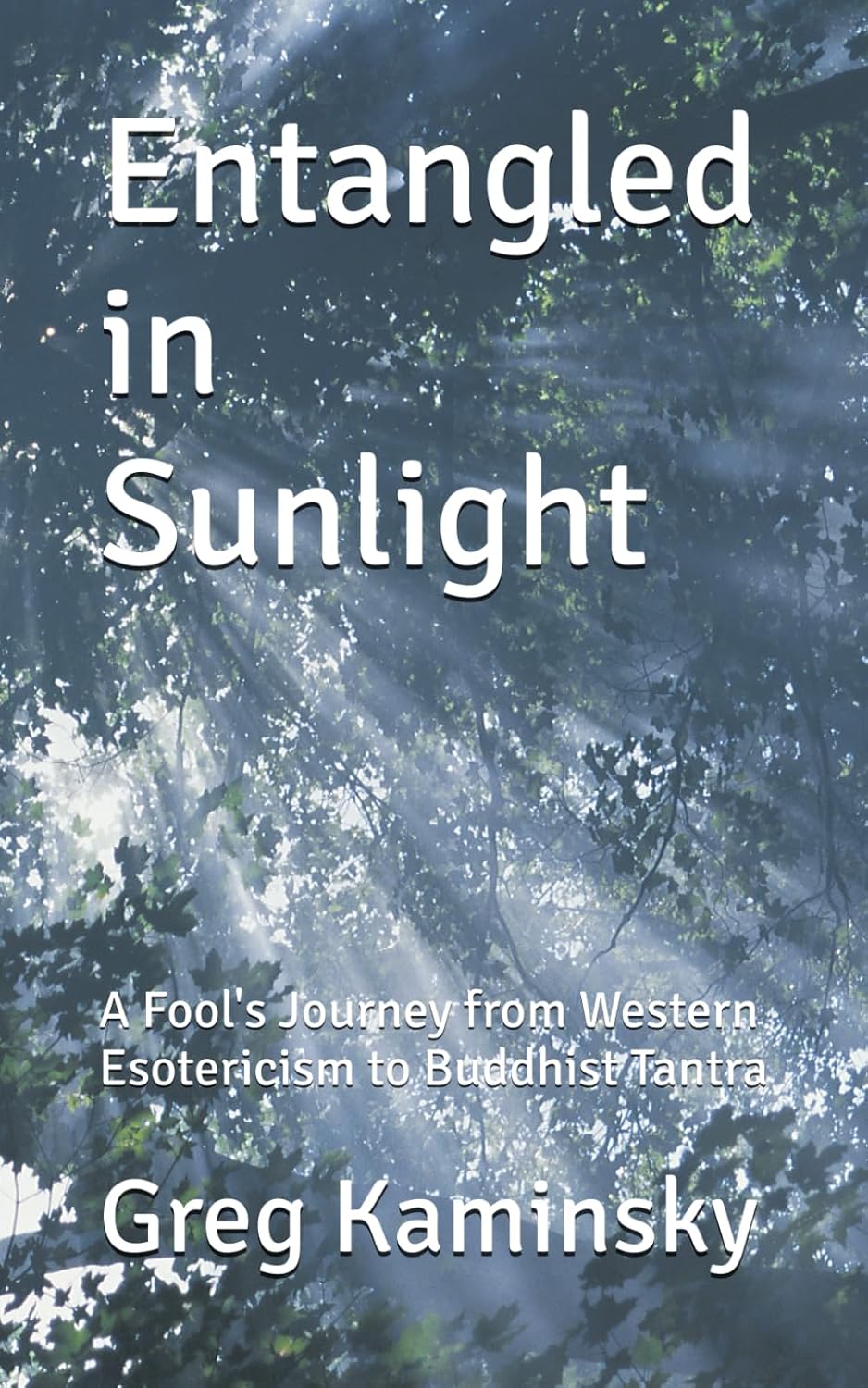
Entangled in Sunlight
Entangled in Sunlight was the book I had been avoiding. Autobiographical in form, it made the person behind the scholarship the explicit subject — not because I wanted to write about myself, but because the argument I had been making across the preceding books eventually required evidence. If genuine transformation demands not only knowledge but practice, not only seeking but surrender, then at some point the author has to show his hand. The autobiography was the hand.
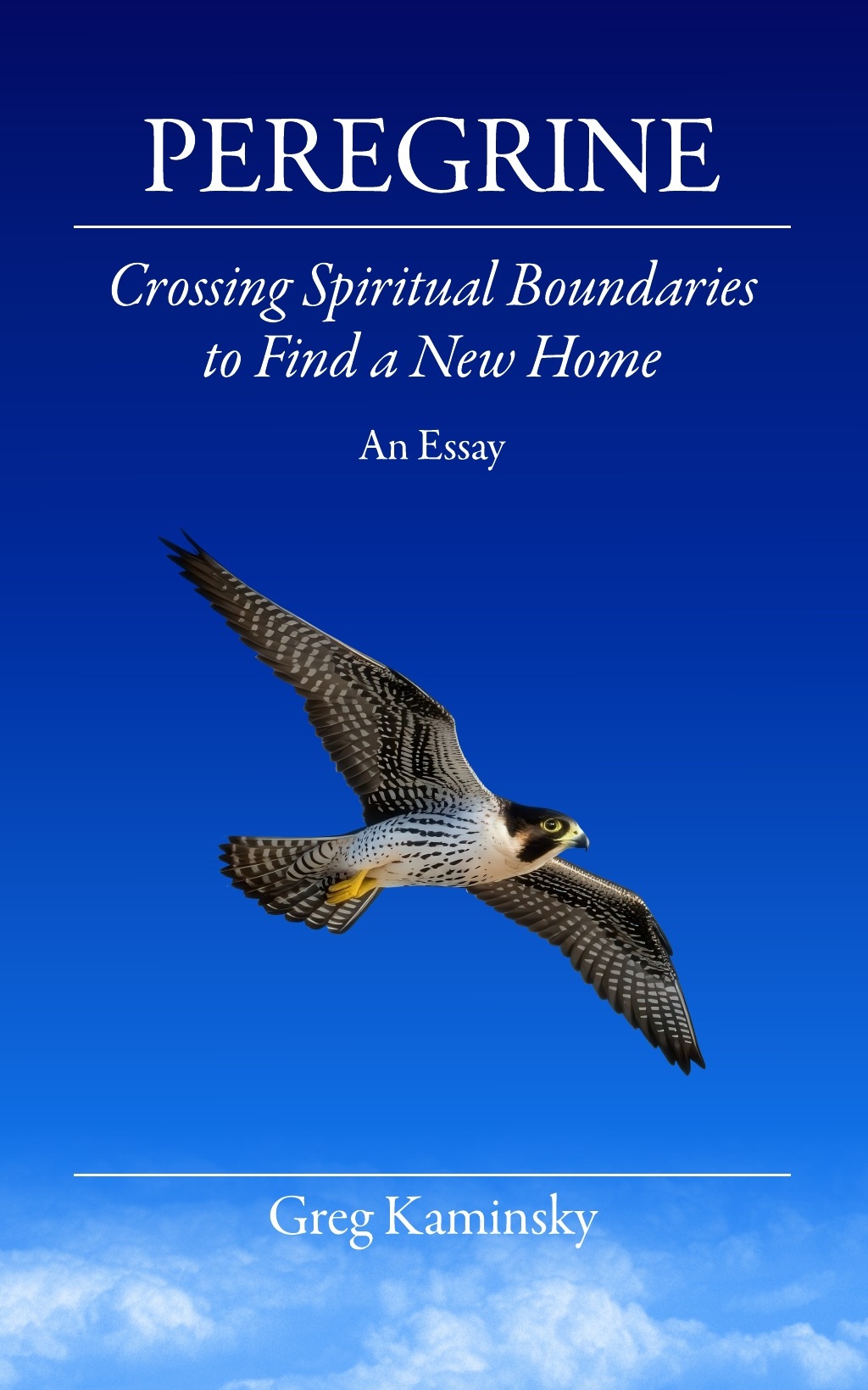
Peregrine: Crossing Spiritual Boundaries to Find a New Home
Peregrine takes the syncretic conviction that has run beneath everything I have written and attempts to defend it directly, as an argument rather than an implication. The essay makes the case that the perceived barriers between Eastern and Western spiritual paths are not genuine spiritual or cultural realities but projections of a particular kind of nihilism — and it does so through historical precedent, textual scholarship, and the particular confidence that comes from having crossed those borders yourself and found something on the other side. The reading of Thomas Vaughan's alchemical writings against the framework of tummo practice is, I think, genuinely original — and it could only have been written by someone who knows the practice from the inside. That is not a boast. It is a description of the only position from which that argument is available.
The Silent Call of the Heart
The Silent Call of the Heart is the most exposed thing I have written. It is a confession in the oldest sense — not a disclosure of wrongdoing but an account of what a sincere encounter with the Divine has actually cost and produced in one specific life: the spiritual bypassing, the years of esoteric seeking in books that kept me just nourished enough to remain lost, the practice that generated extraordinary states that dissolved the moment ordinary life reasserted itself, the wound running the show beneath the spiritual ambition. All of it named as plainly as I could manage.
The book closes with a Dzogchen teaching story which places that personal confession inside its cosmological home: the child of luminosity wandering in endarkenment, hearing only faint strains of the Mother's call, until suffering and longing and grace bring him close enough to hear. I did not plan that structure. It was simply what the material required.
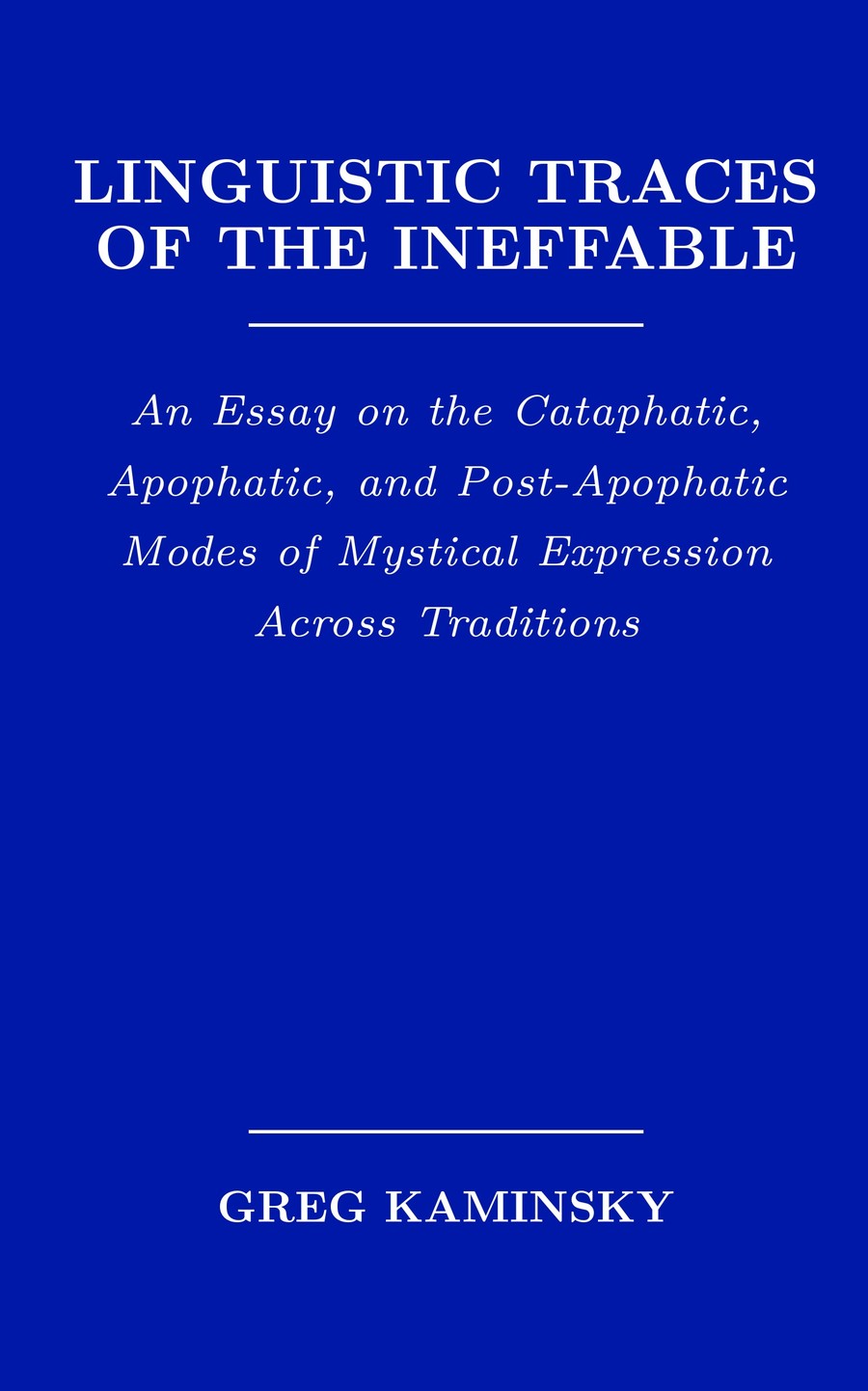
Linguistic Traces of the Ineffable
Linguistic Traces of the Ineffable is the return to scholarly apparatus after the exposure of confession and informed by sustained spiritual practice — textual analysis and an argument built rather than a testimony given. But it could not have been written before any of the prior books, because its central claim is one only a practitioner is positioned to test: that the language of devotion can be read as a trace of the intensity of the encounter. I trace that across Christian, Jewish, Islamic, and Eastern sources, because the pattern only becomes visible in comparison. Esoteric scholarship, in this book, is doing what testimony did in the last one: showing its work.
The Arc
Taken together, these books move from scholarship about spiritual experience to testimony of it, and then — in Linguistic Traces of the Ineffable — back to scholarship again, except that this scholarship is informed by ten years of sustained spiritual practice. That analysis was only possible from a different perspective: from knowing about to knowing through, and then to a more careful kind of knowing about, informed by encounters in the registers written about. These books demonstrate the arc of a spiritual practitioner sometimes reaching and sometimes recognizing. More work remains…